
Flare Thermal Imaging During Active Operations
Thermal imaging inspection of active flare stacks enables comprehensive defect detection and safety assessment without costly facility shutdowns, delivering critical data within 2-4 hours while maintaining safe distances from operational equipment.
This advanced inspection method transforms how Property & Casualty insurers evaluate industrial risks and process high-value petrochemical claims. For a comprehensive overview of drone applications across the oil and gas industry, explore our guide to oil and gas drone inspection.
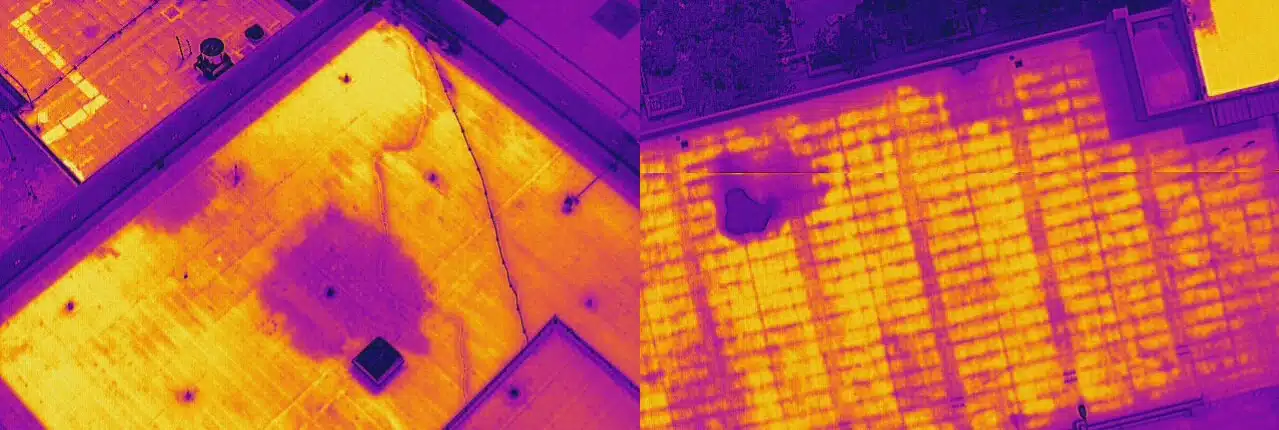
How does thermal imaging technology detect anomalies in active flare stacks without requiring shutdown?
Thermal imaging technology detects temperature variations and heat signatures in active flare stacks through advanced infrared sensors that can safely operate from distances of 100-200 feet. According to Struction Solutions’ operational data from over 20 years of industrial inspections, FLIR thermal cameras mounted on Skydio X10 drones can identify critical anomalies including refractory degradation, flame impingement patterns, and structural hot spots while the flare remains fully operational.
The thermal sensors capture temperature differentials ranging from -40°C to 1,200°C, revealing issues invisible to visual inspection such as internal lining failures, combustion inefficiencies, and developing stress fractures. This non-contact inspection method eliminates the traditional requirement for costly shutdowns that can exceed $500,000 per day in lost production for major refineries.
What safety protocols are required for drone-based thermal inspections of operational flare stacks?
Drone-based thermal inspections of operational flare stacks require comprehensive safety protocols including FAA Part 107 certification, site-specific operational risk assessments, and coordination with facility safety teams. Struction Solutions’ veteran-owned operation maintains strict safety standards developed through participation in every major U.S. industrial disaster since the early 2000s.
Key protocols include maintaining minimum safe distances of 150 feet from active flare tips, continuous monitoring of wind conditions and thermal updrafts that can affect drone stability, implementation of tethered drone systems for extended monitoring missions, and real-time coordination with facility control rooms to adjust flare operations if anomalies are detected. Multi-state licensed operators must complete specialized training in petrochemical hazards, thermal radiation exposure limits, and emergency response procedures. The company’s roster of 1,000+ certified professionals includes specialists trained specifically for high-temperature industrial environments.
What types of damage or defects can thermal imaging identify in flare stacks during active operations?
Thermal imaging during active flare stack operations can identify a comprehensive range of defects that would remain undetected through visual inspection alone. According to Struction Solutions’ AI-powered quality assurance data, which has reduced reinspection costs by 50%, thermal cameras detect:
- Refractory lining deterioration appearing as abnormal heat patterns on the stack exterior
- Flame impingement causing localized overheating of stack walls
- Damaged or missing insulation creating thermal bridges
- Stack tip erosion from high-temperature exposure
- Improper combustion patterns indicating burner malfunctions
- Structural deformation from thermal cycling stress
- Developing cracks that appear as temperature anomalies along weld seams
The technology also identifies steam trap failures, pilot flame irregularities, and liquid carryover events that could lead to incomplete combustion. This comprehensive defect detection capability has proven particularly valuable for insurance carriers managing industrial property claims, as early identification prevents catastrophic failures.
How long does a comprehensive thermal imaging inspection of an active flare stack typically take?
A comprehensive thermal imaging inspection of an active flare stack typically completes within 2-4 hours of on-site deployment, representing a dramatic improvement over traditional inspection methods that can require 3-5 days of scaffolding setup and shutdown procedures. Struction Solutions’ 24-48 hour rapid response protocol ensures teams are mobilized and on-site within this timeframe, with actual flight operations capturing thermal data in 30-45 minute segments.
The inspection process includes pre-flight safety briefings and coordination with facility operators, systematic thermal imaging flights covering all angles and elevations, real-time data review to identify areas requiring detailed assessment, and preliminary reporting to facility management. For complex multi-stack facilities, inspection teams can assess 4-6 flare stacks per day using tethered drone systems that eliminate battery change delays. This accelerated timeline reduces inspection costs by up to 60% compared to traditional methods.
What regulatory compliance requirements apply to thermal imaging inspections of operational flare stacks?
Thermal imaging inspections of operational flare stacks must comply with multiple overlapping regulatory frameworks that Struction Solutions navigates through built-in compliance checks in their VCA Software platform. Federal requirements include EPA Method 22 visual emissions observations, which thermal imaging enhances by detecting incomplete combustion invisible to the naked eye. OSHA Process Safety Management (PSM) standards require documented mechanical integrity inspections that thermal data satisfies more comprehensively than visual observation alone.
State-specific regulations vary significantly, with Struction Solutions maintaining multi-state licensing and certification including Xactimate levels 2 and 3, NFIP certification, and Hague certification for comprehensive compliance coverage. Insurance carriers increasingly require thermal imaging documentation to validate coverage for high-risk petrochemical facilities, with 43% of claims professionals citing changing regulations as a top challenge. The company’s 20+ years of experience ensures all thermal imaging reports meet API 510, API 570, and API 653 inspection code requirements while providing the audit trails insurers need for regulatory compliance verification.
How does thermal data from active flare stack inspections integrate with insurance claim documentation?
Thermal data from active flare stack inspections integrates directly into insurance claim documentation through Struction Solutions’ VCA Software platform, which provides automated workflows, digital claims payments, and real-time data transparency for Property & Casualty insurers. The thermal imaging reports include timestamped temperature readings, annotated thermal images highlighting anomalies, comparative analysis showing degradation over time, and AI-powered damage assessments that reduce manual processing time by 70%.
This comprehensive documentation helps insurance adjusters validate coverage decisions, assess pre-loss conditions for subrogation opportunities, calculate accurate repair/replacement costs, and identify maintenance negligence that might affect coverage. The end-to-end encryption and audit trails address insurers’ cybersecurity concerns while enabling faster settlement times reduced from weeks to days. For high-value industrial claims, such as the $30,000 LNG tank inspections in operational portfolios, thermal documentation provides the evidence quality that expedites claim resolution while reducing the 20-35% of claims budgets typically consumed by reinspections.
What cost savings can insurers expect from thermal imaging inspections versus traditional shutdown inspections?
Insurance carriers can expect cost savings of 50-70% when utilizing thermal imaging inspections compared to traditional shutdown methods, based on Struction Solutions’ operational metrics across hundreds of industrial facility assessments. Traditional flare stack inspections requiring shutdown can cost $500,000-$1,000,000 per day in lost production, plus $50,000-$100,000 for scaffolding and rope access teams. In contrast, thermal imaging inspections complete for $15,000-$30,000 total, similar to LNG tank inspection pricing in the company’s portfolio.
Additional savings include:
- 50% reduction in reinspection costs through AI-powered quality assurance algorithms that minimize return visits
- 60% faster claim processing enabled by immediate digital documentation
- Elimination of workers’ compensation exposure from climbing hazards
- Prevention of catastrophic losses through early defect detection
The technology’s ability to inspect during normal operations means zero production loss, while providing superior data quality for underwriting decisions. With manual reinspections consuming 20-35% of claims budgets, thermal imaging’s accuracy significantly reduces this drain on resources while improving policyholder satisfaction through faster settlements.
For more information about implementing comprehensive drone inspection solutions that reduce fraud while improving claim processing efficiency, contact our team to understand how rapid response protocols enhance both fraud detection capabilities and legitimate claim processing speeds.


 Struction Solutions’ Vice President of Field Operations, Tina Rodriguez, oversees and maintains claim life-cycle metrics in XactAnalysis and claim handling and estimating best practices in Xactimate for Struction Solutions.
  Struction Solutions’ Chief Operating Officer, Wayne Guillot, is a results-driven and customer-focused operations manager with over 20 years of experience in the insurance industry.
  Brady Dugan is a dynamic and visionary adjuster with over 23 years of progressive leadership in the construction and insurance industries.