
OIL and Gas Drone Inspection: Safety and Efficiency
When The oil and gas industry faces mounting pressure to maintain aging infrastructure while minimizing operational downtime, reducing worker safety risks, and controlling inspection costs. Traditional inspection methods involving rope access, scaffolding, and manual visual inspections expose personnel to hazardous environments and can take weeks to complete across sprawling facilities.
Oil and gas drone inspection has emerged as a transformative solution that addresses these critical challenges while delivering superior data quality and faster turnaround times.
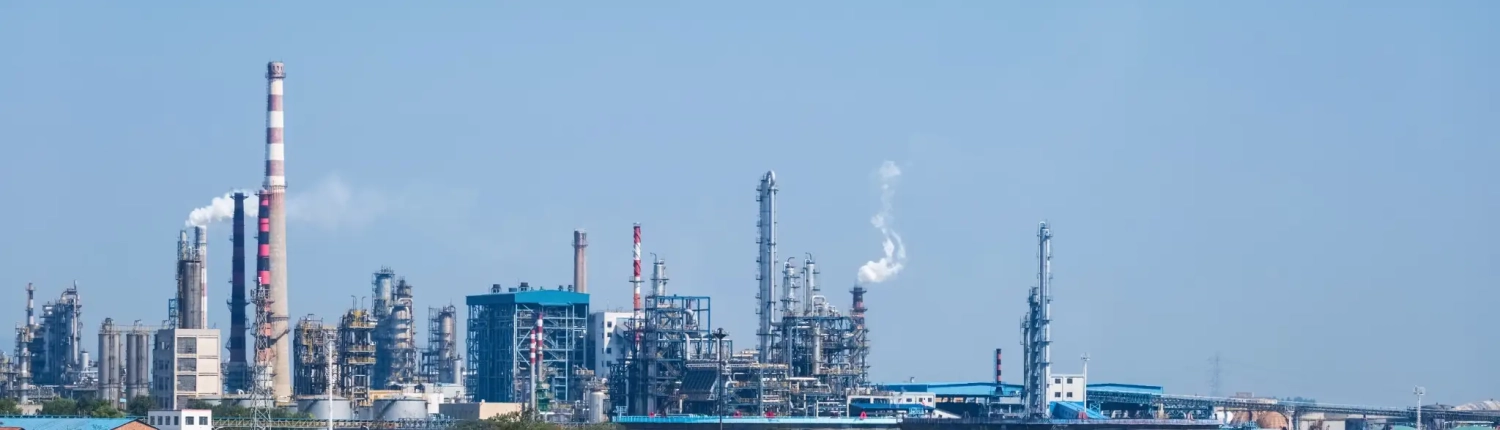
Why Oil & Gas Companies Are Turning to Drone Technology
Energy companies are rapidly adopting unmanned aerial systems for UAV inspections to modernize their infrastructure assessment protocols.
The oil and gas drones market has grown exponentially as operators recognize that aerial drones can safely access hard-to-reach areas including offshore platforms, elevated pipe trays, flare stacks, and vast pipeline networks. Drone inspection for oil and gas eliminates many limitations of conventional methods.
Where traditional inspections might require facility shutdowns or expensive helicopter charters costing thousands per hour, drone platforms deliver comprehensive visual and thermal imagery at a fraction of the cost.
Types of Drones Used in Oil and Gas Inspections
The oil and gas industry utilizes several drone configurations depending on inspection requirements, each offering distinct advantages for specific assessment scenarios.
Multirotor Drones
These versatile platforms excel at close-proximity inspections requiring precise hovering capabilities.
Multirotor systems are ideal for detailed visual inspections of tank farms, reactor vessels, and cooling towers where operators need high-resolution imagery from multiple angles. Their maneuverability enables capture of thermal data in confined spaces where fixed-wing platforms cannot operate effectively.
Fixed-Wing Drones
Long-distance surveillance missions benefit from the superior endurance characteristics of fixed-wing configurations.
These platforms can cover 50+ miles in a single mission, making them cost-effective for pipeline inspection and identifying potential leak points through integrated thermal infrared sensors and specialized imaging capabilities.
Tethered Drone Systems
Unlimited flight time capabilities make tethered platforms ideal for continuous monitoring applications.
These systems remain connected to ground power sources, enabling extended surveillance of critical infrastructure including perimeter security and emergency response scenarios without battery limitations.
Key Applications of Drone Inspection in the Oil & Gas Industry
Drones for oil and gas industry operations address numerous inspection challenges across diverse infrastructure types, from remote pipelines to complex offshore facilities.
Pipeline Inspection and Leak Detection
Pipeline inspection drones equipped with thermal sensors and computer vision algorithms can detect temperature anomalies indicating potential leaks, corrosion, or structural compromise.
Real-time data collection enables rapid identification of issues that might take weeks to discover through traditional ground patrols. Advanced leak detection capabilities help prevent environmental impacts while reducing liability exposure associated with undetected failures.
Offshore Platform Assessments
Offshore platforms present unique inspection challenges due to harsh environmental conditions and difficult access requirements.
Drone operators eliminate the need for rope access teams to inspect elevated structures, reducing worker safety risks while capturing comprehensive visual documentation. Thermal imaging reveals equipment overheating, insulation degradation, and other anomalies invisible to standard visual inspection methods.
Tank Farm and Storage Facility Monitoring
Oil & Gas storage infrastructure requires regular integrity assessments to prevent catastrophic failures.
Drone operators can create detailed 3D models of tank farms using photogrammetry and LiDAR sensors, enabling precise volumetric calculations and change detection analysis. Infrared cameras identify temperature variations suggesting product leaks or structural defects requiring immediate attention.
Flare Stack and Elevated Equipment Inspection
Inspection methods for active flare stacks and elevated pipe trays traditionally required costly shutdowns or dangerous climbing operations.
Unmanned aerial vehicle technology enables inspection of these critical assets during normal operations, capturing high-resolution imagery without exposure to heat, toxic gases, or fall hazards.
Substation Inspection and Electrical Infrastructure
Electrical substations powering oil and gas facilities require regular monitoring to prevent power disruptions that could halt production operations.
Unmanned aerial systems equipped with thermal and visual sensors can identify overheating transformers, damaged insulators, and compromised electrical connections without requiring facility shutdowns or exposing technicians to high-voltage hazards.
Renewable Energy Integration Assessments
As oil and gas companies diversify their energy portfolios, wind turbines and renewable infrastructure require the same rigorous inspection protocols as traditional assets.
Drone platforms equipped with high-resolution cameras and LiDAR scanners can assess blade integrity, tower condition, and turbine performance on wind farms integrated into oil and gas facilities, ensuring optimal operation across all energy generation sources.
Advanced Technologies Enhancing Drone Inspections
Modern oil and gas drone inspection services integrate multiple sensor technologies to deliver comprehensive asset intelligence that surpasses traditional inspection capabilities.
Thermal Imaging and Infrared Cameras
These specialized sensors detect heat signatures indicating equipment malfunctions, insulation failures, and potential fire hazards.
The thermal data reveals problems invisible to RGB camera systems, enabling predictive maintenance strategies that prevent costly failures. Temperature differential analysis identifies compromised equipment before breakdowns occur, with proper sensor selection being critical to capturing the temperature ranges and resolution requirements specific to petrochemical applications.
LiDAR Scanning Technology
Laser-based measurement systems generate precise 3D models of complex facilities for engineering analysis.
LiDAR sensors and LiDAR scanners enable digital twin creation for facility management and retrofit planning. Geospatial data captured through these scanners provides centimeter-level accuracy for compliance documentation and as-built verification.
AI-Powered Computer Vision
Machine learning algorithms automate defect detection by analyzing thousands of images to identify corrosion, cracks, coating failures, and structural anomalies.
AI-driven analytics continuously improve detection accuracy through ongoing training, reducing false positives and ensuring critical issues receive immediate attention from engineering teams who can prioritize remediation efforts based on severity assessments.
Multispectral Imaging
Specialized sensors reveal vegetation encroachment along pipeline rights-of-way and detect hydrocarbon contamination in soil surrounding facilities.
This capability supports environmental monitoring and regulatory compliance reporting requirements mandated by federal and state agencies.
Safety and Compliance Benefits
Worker safety represents the most compelling advantage of drone inspection services for the energy sector.
Traditional inspection methods account for a disproportionate share of industry injuries and fatalities, particularly involving falls from heights. Aerial inspections eliminate these exposure scenarios entirely while delivering superior data quality.
FAA Part 107 Certification
This foundational certification ensures drone operators maintain rigorous safety standards and operational protocols.
Struction Solutions’ veteran-owned team brings disciplined operational procedures honed through 20+ years of complex mission execution, maintaining multi-state licensing and specialized certifications.
Beyond Visual Line-of-Sight (BVLOS)
Extended-range operations expand inspection capabilities for extensive pipeline networks and remote facilities.
Regulatory compliance frameworks continue evolving to enable BVLOS missions while maintaining safety standards that protect both operators and the public.
Blue UAS and NDAA Compliance
Federal security requirements address critical concerns for sensitive infrastructure protection.
Struction Solutions maintains strict compliance with federal requirements, ensuring that drone platforms meet data security standards essential for critical infrastructure protection.
Cost Efficiency and Operational Advantages
Oil and gas drone inspection delivers measurable return on investment through multiple pathways that impact both operational and capital budgets.
Reduced Operational Costs
Eliminating traditional access methods translates to direct cost savings often exceeding 50% compared to conventional inspection methods.
Struction Solutions’ streamlined workflow integrates inspection data directly into client systems, reducing administrative overhead.
Faster Turnaround Times
Rapid deployment capabilities minimize production disruptions and enable faster decision-making for maintenance prioritization.
Drone inspections typically complete within 24-48 hours from deployment, allowing energy companies to maintain production schedules while ensuring thorough asset assessments.
Enhanced Data Quality
High-resolution visual and thermal imagery provides permanent documentation that exceeds the quality of manual visual observations.
Creating comprehensive 3D models and digital twins enables remote expert review and long-term asset trending analysis for engineering and regulatory reporting.
Predictive Maintenance Enablement
Regular drone surveillance programs identify developing issues before they escalate into failures.
Early detection of corrosion and equipment degradation allows maintenance teams to schedule interventions during planned downtime rather than responding to emergency failures.
Transform Your Infrastructure Inspection Program
The transition from traditional inspection methods to comprehensive drone-based assessment programs represents a critical competitive advantage for forward-thinking energy companies.
Organizations that embrace drone technology gain safer operations, reduced inspection costs, superior data quality, and the agility to respond rapidly to emerging issues.
Ready to modernize your oil and gas inspection program? Contact us today to discover how Struction Solutions’ proven drone inspection services can enhance your infrastructure assessment capabilities while reducing risks and costs. Our veteran-owned team stands ready to deploy our roster of 1,000+ certified professionals and cutting-edge drone platforms to support your operational excellence goals.
For more information about implementing comprehensive drone inspection solutions that reduce fraud while improving claim processing efficiency, contact our team to understand how rapid response protocols enhance both fraud detection capabilities and legitimate claim processing speeds.


 Struction Solutions’ Vice President of Field Operations, Tina Rodriguez, oversees and maintains claim life-cycle metrics in XactAnalysis and claim handling and estimating best practices in Xactimate for Struction Solutions.
  Struction Solutions’ Chief Operating Officer, Wayne Guillot, is a results-driven and customer-focused operations manager with over 20 years of experience in the insurance industry.
  Brady Dugan is a dynamic and visionary adjuster with over 23 years of progressive leadership in the construction and insurance industries.