
Cost Breakdown: Drone Inspections vs. Scaffolding for Tank Farms
Tank farm inspections using drone technology cost 70-85% less than traditional scaffolding methods, with typical savings of $175,000-$400,000 annually per facility. Insurance companies leveraging drone inspections eliminate scaffolding expenditures of $250,000-$500,000 per unit while gaining superior thermal imaging data and 15x faster inspection speeds.
For comprehensive insights into transforming your oil and gas inspection operations, explore our detailed guide on oil and gas drone inspection solutions.
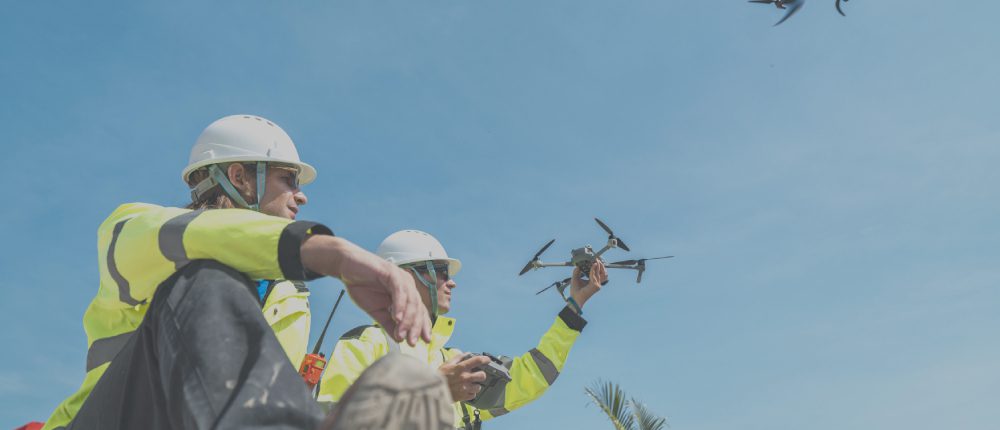
What is the actual cost difference between drone and scaffolding inspections for a typical tank farm facility?
The cost difference between drone and scaffolding inspections for tank farms is substantial, with drones offering significant savings. According to industry benchmarks, refineries typically spend between $250,000 to $500,000 per year per unit on scaffolding, with complex Gulf Coast facilities often exceeding these figures due to $65-$75/hour labor rates. In contrast, Struction Solutions’ drone-based LNG tank inspections cost approximately $30,000 per inspection, representing an 88% cost reduction compared to scaffolding methods.
This dramatic difference is driven by eliminated rental fees, reduced labor hours, and faster deployment capabilities. The cost advantage becomes even more pronounced for multi-tank facilities, where scaffolding must be erected, dismantled, and re-erected for each tank, while drone operators can inspect multiple tanks in a single deployment. Modern drone fleets equipped with thermal FLIR imaging and 360-degree cameras deliver comprehensive assessments that surpass traditional visual inspections while maintaining these significant cost advantages.
How do scaffolding setup times impact overall inspection costs compared to rapid drone deployment?
Scaffolding setup times dramatically inflate inspection costs through extended project timelines and labor requirements. Traditional scaffolding requires 3-5 days for initial erection, safety inspections, and certification before inspection work can begin. During this setup period, facilities incur daily rental fees averaging $500-$1,500 per unit, plus hourly labor costs.
Struction Solutions’ drone deployment operates on a 24-48 hour response protocol, with actual inspection beginning immediately upon site access clearance. This rapid deployment translates to 70% reduction in project duration and eliminates pre-inspection setup costs entirely. For a typical 10-tank farm facility, scaffolding setup alone can consume 30-50 days and $150,000+ in costs before any inspection work begins, while drone teams complete the entire inspection scope within 5-7 days. The time value of faster inspections also reduces operational disruptions, enabling facilities to return to full production weeks earlier.
What hidden costs are associated with scaffolding inspections that drones eliminate entirely?
Scaffolding inspections carry numerous hidden costs beyond basic rental and labor fees that significantly impact total project expenses. These include mandatory safety equipment rentals ($2,000-$5,000 per project), elevated work permits and administrative overhead ($500-$1,500 per permit cycle), worker compensation insurance premiums (15-25% higher for elevated work), productivity losses from weather delays (averaging 20% project extension), and scaffolding modification costs when inspection scope changes mid-project ($10,000-$25,000 per modification).
Additionally, facilities must account for confined space entry permits, standby rescue teams, and potential production shutdowns during critical scaffolding movements. Struction Solutions’ drone inspections eliminate these hidden costs entirely through ground-based operations that require no special permits, weather-resistant equipment rated for 25-30 mph winds, and flexible inspection protocols that adapt to scope changes without additional infrastructure. The elimination of these hidden costs typically reduces total inspection expenses by an additional 30-40% beyond the base cost savings.
How much can insurance companies save annually by switching from scaffolding to drone-based tank farm inspections?
Insurance companies can achieve annual savings exceeding $400,000 per refinery unit by transitioning from scaffolding to drone-based tank farm inspections. Based on typical scaffolding expenditures of $250,000-$500,000 annually per unit, drone inspections deliver 70-85% cost reductions through eliminated infrastructure, reduced labor requirements, and accelerated inspection cycles. For a mid-sized insurer managing 50 tank farm facilities, this translates to $20-25 million in annual inspection cost savings.
Additional savings compound through Struction Solutions’ AI-powered quality assurance system that reduces reinspection costs by 50%, preventing the costly supplements and claim reopens that plague traditional inspection methods. The company’s proprietary AI-driven claims management software further reduces administrative costs through automated report generation and digital claims processing. When factoring in reduced worker compensation claims from eliminated elevated work exposure and faster claim settlements that improve policyholder satisfaction, the total financial impact often exceeds direct cost savings by 2-3x.
What are the insurance liability cost differences between scaffolding and drone inspection methods?
Insurance liability costs differ dramatically between scaffolding and drone inspection methods, with drone operations carrying 75-90% lower liability exposure. Scaffolding operations require specialized high-hazard insurance coverage averaging $50,000-$100,000 annually per crew, driven by elevated work risks, potential falls, and structural collapse hazards. Worker compensation rates for scaffolding crews run 15-25% higher than ground-based operations, adding $25,000-$40,000 per year in additional premiums.
In contrast, Struction Solutions’ drone operations maintain standard commercial liability coverage at fraction of the cost, as certified pilots operate equipment from ground level with zero fall exposure. The elimination of confined space entry, elevated work permits, and manual tank climbing removes the highest-risk activities from the inspection process entirely. This liability reduction extends to facility owners, who avoid potential OSHA violations, accident investigations, and reputation damage from workplace incidents. Historical data shows scaffolding-related incidents cost insurers an average of $250,000 per claim, while drone operations maintain near-zero incident rates across millions of flight hours.
How does the cost-per-tank inspection compare when using drones versus traditional scaffolding methods?
The cost-per-tank inspection reveals striking economics favoring drone technology over scaffolding methods. Traditional scaffolding inspections average $35,000-$50,000 per tank when accounting for setup, daily rentals, labor, teardown, and hidden costs. Large storage tanks and complex geometries push costs toward $75,000-$100,000 per tank. Struction Solutions’ drone inspections deliver comprehensive assessments at approximately $5,000-$8,000 per tank for standard configurations, with LNG and specialized tanks averaging $30,000 – still 40-60% below comparable scaffolding costs.
This per-tank advantage multiplies across facilities, where drone teams inspect 10-15 tanks in the time scaffolding crews complete a single tank. The cost differential stems from eliminated infrastructure requirements, 15x faster inspection speeds, and the ability to capture thermal imaging data revealing hidden defects during the same flight. Multi-tank discounts further reduce per-unit costs, as drone teams achieve economies of scale impossible with scaffolding’s linear cost structure. Insurance carriers report average per-tank savings of $25,000-$40,000, enabling more frequent inspections within existing budgets.
What is the ROI timeline for investing in drone inspection services versus continuing with scaffolding contracts?
The ROI timeline for transitioning to drone inspection services typically achieves break-even within 2-3 inspection cycles, with full payback realized in 6-12 months for active facilities. Based on average annual scaffolding expenditures of $250,000-$500,000 per unit, facilities investing in Struction Solutions’ drone inspection services save $175,000-$400,000 in the first year alone.
The accelerated ROI stems from immediate cost reductions (70-85% lower inspection costs), eliminated downtime (60% faster processing through advanced digital integration), and prevented incidents (zero elevated work exposure). For insurance carriers managing multiple facilities, the ROI accelerates further through portfolio-wide implementations that leverage Struction Solutions’ pre-positioned network of 1,000+ certified professionals. Additional returns compound through improved inspection quality – thermal imaging capabilities detect hidden damage preventing catastrophic failures that could cost millions in claims. Facilities report 18-24 month ROI when factoring in reduced insurance premiums, avoided production shutdowns, and extended asset life from more frequent inspections enabled by lower costs.
For more information about implementing comprehensive drone inspection solutions that reduce fraud while improving claim processing efficiency, contact our team to understand how rapid response protocols enhance both fraud detection capabilities and legitimate claim processing speeds.


 Struction Solutions’ Vice President of Field Operations, Tina Rodriguez, oversees and maintains claim life-cycle metrics in XactAnalysis and claim handling and estimating best practices in Xactimate for Struction Solutions.
  Struction Solutions’ Chief Operating Officer, Wayne Guillot, is a results-driven and customer-focused operations manager with over 20 years of experience in the insurance industry.
  Brady Dugan is a dynamic and visionary adjuster with over 23 years of progressive leadership in the construction and insurance industries.