
Drones vs. Home Inspectors: When Should Realtors Recommend Both?
Insurance Strategic property assessment requires understanding when drone technology complements traditional home inspections to provide comprehensive evaluation while maximizing safety and efficiency. Real estate professionals should recommend drone inspections for exterior assessment, aerial photography, and rapid preliminary evaluation, while traditional home inspectors remain essential for interior systems, comprehensive buyer due diligence, and detailed property documentation.
The combination approach delivers superior property intelligence that protects both buyers and sellers while enhancing marketing materials and preventing transaction delays. For detailed insights into comprehensive property assessment strategies, explore our complete guide to drones in real estate.
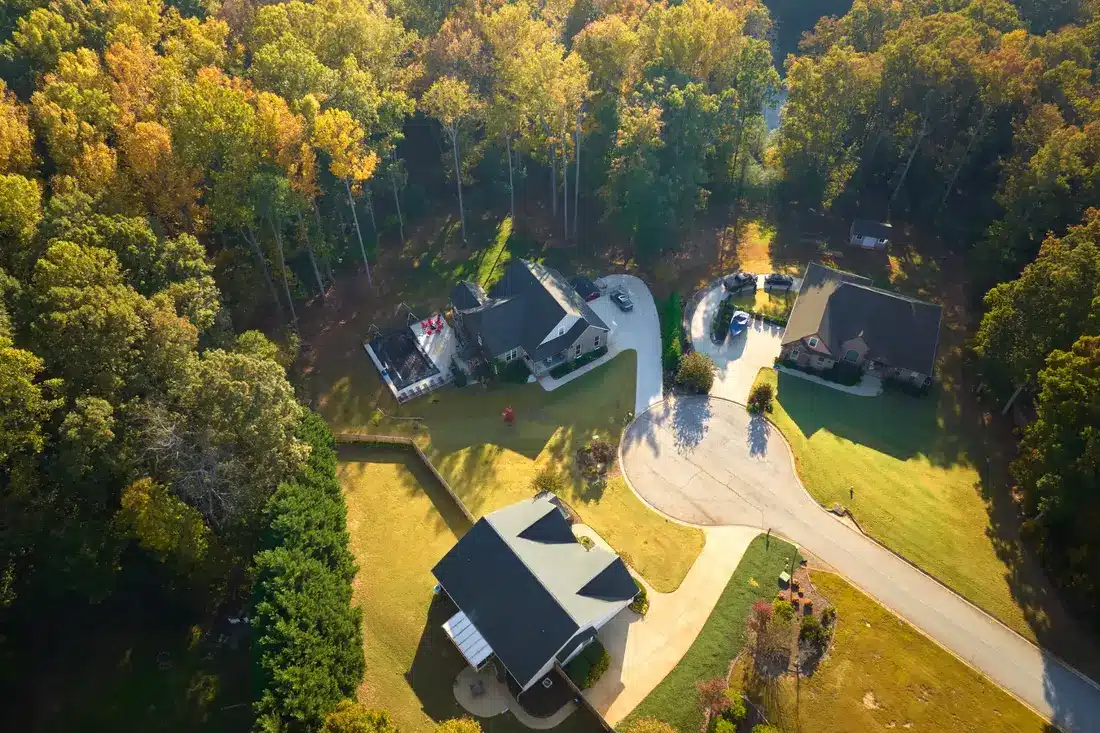
What types of property issues require traditional home inspectors versus drone inspections for real estate transactions?
Traditional home inspectors remain essential for interior systems, electrical panels, plumbing, HVAC components, and structural elements requiring physical access and specialized testing equipment. Home inspectors provide comprehensive safety assessments of mechanical systems, foundation integrity, and code compliance issues that require hands-on evaluation and detailed documentation for buyer due diligence.
Drone inspections excel at exterior assessments including roof conditions, siding damage, gutters, chimney integrity, and overall property perimeter evaluation. Struction Solutions’ drone technology captures detailed high-resolution imagery of areas that would be dangerous or impossible for inspectors to access safely, eliminating liability risks associated with climbing damaged or steep roofs. The combination approach ensures comprehensive property evaluation while maintaining safety protocols that protect both inspectors and real estate professionals from potential accidents and associated liability exposure.
How do drone inspections enhance property marketing materials without replacing comprehensive home inspections?
Drone inspections provide stunning aerial photography and unique property perspectives that dramatically enhance listing presentations while serving as a preliminary assessment tool that complements comprehensive home inspections. Struction Solutions’ Skydio X10 drones capture ultra-high-resolution aerial imagery showcasing property boundaries, landscaping, architectural features, and neighborhood context that ground-based photography cannot match.
This technology creates compelling marketing materials that help properties sell faster by providing potential buyers with comprehensive visual documentation. Additionally, thermal imaging capabilities can identify potential energy efficiency issues, moisture problems, or insulation deficiencies that become valuable selling points when addressed proactively. The drone inspection data helps realtors prepare accurate property disclosures and identify maintenance needs early, preventing last-minute surprises that could derail transactions. However, traditional home inspections remain essential for thorough buyer due diligence and provide detailed interior system evaluations that drones cannot perform.
What safety advantages do drones provide over traditional roof inspections for listing properties?
Drone inspections eliminate the primary safety risks associated with roof assessments by capturing detailed documentation from ground level without requiring inspectors to climb potentially compromised structures. Traditional methods require inspectors to access roofs with missing shingles, damaged trusses, or weakened structural integrity, creating significant liability exposure for real estate professionals and inspection companies.
Struction Solutions’ drone inspection protocol removes the delays associated with scheduling ladder assist services, safety equipment setup, and liability insurance considerations that can add days to property evaluation timelines. The technology captures superior documentation through ultra-high-resolution aerial photography and thermal imaging capabilities while eliminating worker compensation exposure and accident-related delays that could impact closing schedules. For real estate agents managing multiple listings, this safety advantage translates to faster property assessments, reduced liability concerns, and the ability to document roof conditions immediately without weather-dependent scheduling constraints.
When should realtors recommend both drone surveys and home inspections to protect buyers and sellers?
Realtors should recommend both drone surveys and traditional home inspections for high-value properties, older homes with complex roof systems, properties with suspected exterior damage, and transactions where comprehensive documentation protects both parties from future disputes. Struction Solutions’ combined approach provides 360-degree property evaluation that captures both visible and hidden issues through thermal imaging technology that detects moisture penetration, missing insulation, and compromised building envelope integrity in a single assessment.
This dual approach is particularly valuable for properties over $500,000, homes built before 1980, or properties in hurricane-prone areas where roof integrity directly impacts insurance coverage and resale value. The drone survey identifies exterior issues that might not be apparent during traditional walk-through inspections, while home inspectors verify interior systems and provide comprehensive documentation that supports thorough buyer evaluation. For luxury properties or unique architectural features, the combination approach demonstrates due diligence that protects realtors from liability claims and provides buyers with comprehensive condition reports that support informed decision-making.
How do thermal imaging drones detect hidden property issues that standard home inspections might miss?
Thermal imaging drones detect hidden property issues by identifying temperature variations that indicate moisture penetration, insulation deficiencies, structural anomalies, and energy efficiency problems that are invisible during standard visual inspections. Struction Solutions utilizes FLIR thermal technology that captures temperature differences as small as 0.05°C, revealing water intrusion behind siding, missing insulation in wall cavities, and compromised building envelope integrity that could lead to costly repairs or energy efficiency issues.
This technology is particularly valuable for detecting moisture damage that hasn’t yet manifested as visible stains or structural problems, enabling proactive remediation before issues escalate into major repair expenses. The thermal imaging also identifies HVAC inefficiencies, electrical hot spots, and insulation gaps that impact energy costs and comfort levels, providing buyers with valuable information for negotiating repairs or energy improvements. Traditional home inspections rely primarily on visual assessment and basic moisture meters, which can miss developing problems that thermal imaging reveals immediately.
What are the cost and timeline differences between drone inspections and traditional home inspections for real estate agents?
Drone inspections typically cost $800-1,500 for residential properties and can be completed within 24-48 hours, while traditional home inspections range from $400-800 but require 3-5 days scheduling lead time and 3-4 hours on-site completion. Struction Solutions’ 24-48 hour response protocol enables immediate property assessment as soon as access is available, compared to traditional inspections that often face scheduling delays due to inspector availability and weather constraints.
The cost differential reflects the advanced technology and specialized expertise required for drone operations, but this investment delivers superior documentation quality and eliminates safety-related delays. For time-sensitive transactions, the rapid turnaround advantage of drone inspections can prevent deal delays that cost significantly more than the price differential. Additionally, drone inspections eliminate costs associated with ladder assist services, safety equipment, and potential liability insurance claims that traditional roof inspections might generate.
How can realtors use drone technology to identify potential issues before listing properties to prevent deal delays?
Realtors can use drone technology for pre-listing assessments that identify exterior maintenance needs, roof damage, drainage issues, and structural concerns before properties enter the market, enabling proactive repairs that prevent buyer inspection objections and deal delays. Struction Solutions’ comprehensive drone inspection captures detailed imagery of roof conditions, gutter systems, siding integrity, and foundation perimeters that helps sellers address visible defects before showings begin.
The thermal imaging capability reveals energy efficiency issues and moisture intrusion that could become negotiation points during buyer inspections, allowing sellers to make informed decisions about pre-listing improvements or appropriate pricing adjustments. This proactive approach prevents the common scenario where buyer inspections reveal unexpected issues that require rushed repairs, price concessions, or contract renegotiation that can extend closing timelines by weeks. The documented pre-listing condition assessment also provides realtors with accurate disclosure information and professional imagery that enhances marketing presentations while demonstrating transparency with potential buyers.
Ready to integrate drone technology into your real estate practice? Contact Struction Solutions to discover how our advanced inspection capabilities and 24-48 hour response protocols can enhance your property assessments while maintaining the highest safety and quality standards in the industry.
For more information about implementing comprehensive drone inspection solutions that reduce fraud while improving claim processing efficiency, contact our team to understand how rapid response protocols enhance both fraud detection capabilities and legitimate claim processing speeds.


 Struction Solutions’ Vice President of Field Operations, Tina Rodriguez, oversees and maintains claim life-cycle metrics in XactAnalysis and claim handling and estimating best practices in Xactimate for Struction Solutions.
  Struction Solutions’ Chief Operating Officer, Wayne Guillot, is a results-driven and customer-focused operations manager with over 20 years of experience in the insurance industry.
  Brady Dugan is a dynamic and visionary adjuster with over 23 years of progressive leadership in the construction and insurance industries.